- English
- Español
- Português
- русский
- Français
- 日本語
- Deutsch
- tiếng Việt
- Italiano
- Nederlands
- ภาษาไทย
- Polski
- 한국어
- Svenska
- magyar
- Malay
- বাংলা ভাষার
- Dansk
- Suomi
- हिन्दी
- Pilipino
- Türkçe
- Gaeilge
- العربية
- Indonesia
- Norsk
- تمل
- český
- ελληνικά
- український
- Javanese
- فارسی
- தமிழ்
- తెలుగు
- नेपाली
- Burmese
- български
- ລາວ
- Latine
- Қазақша
- Euskal
- Azərbaycan
- Slovenský jazyk
- Македонски
- Lietuvos
- Eesti Keel
- Română
- Slovenski
- मराठी
- Srpski језик

Products
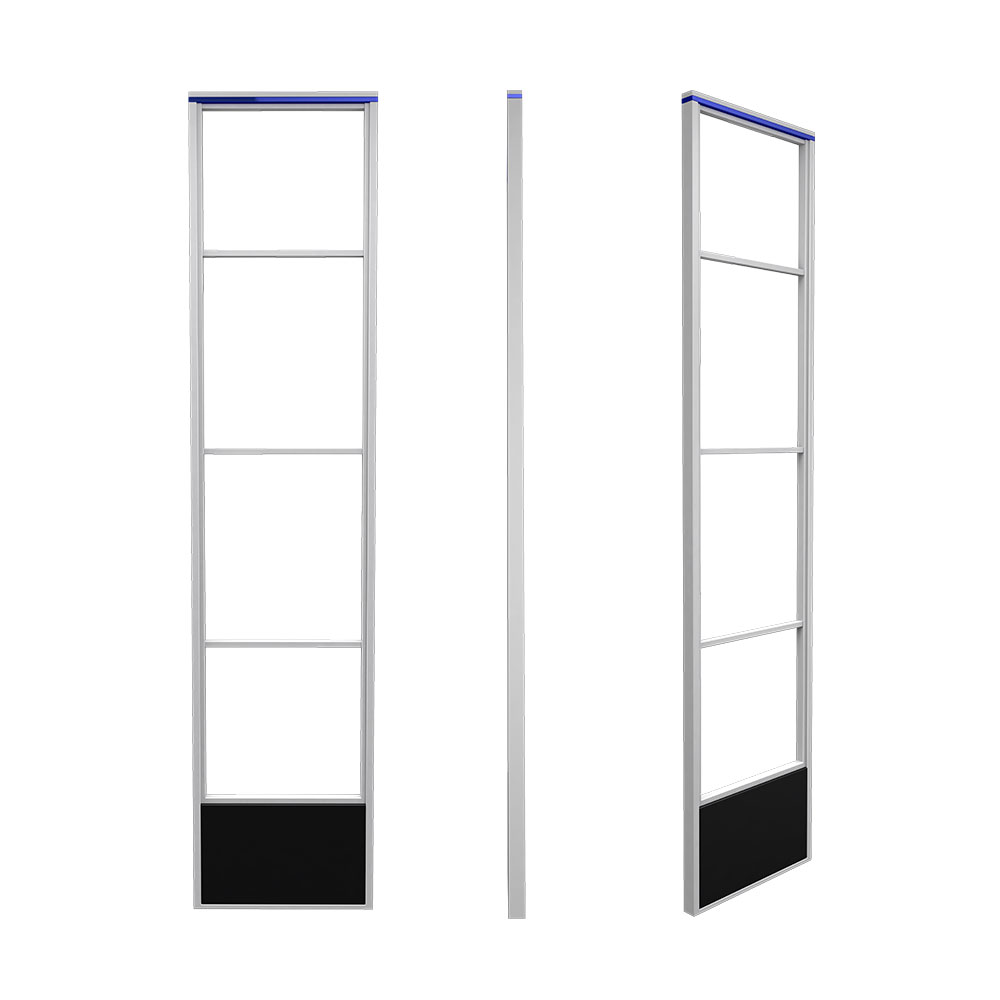
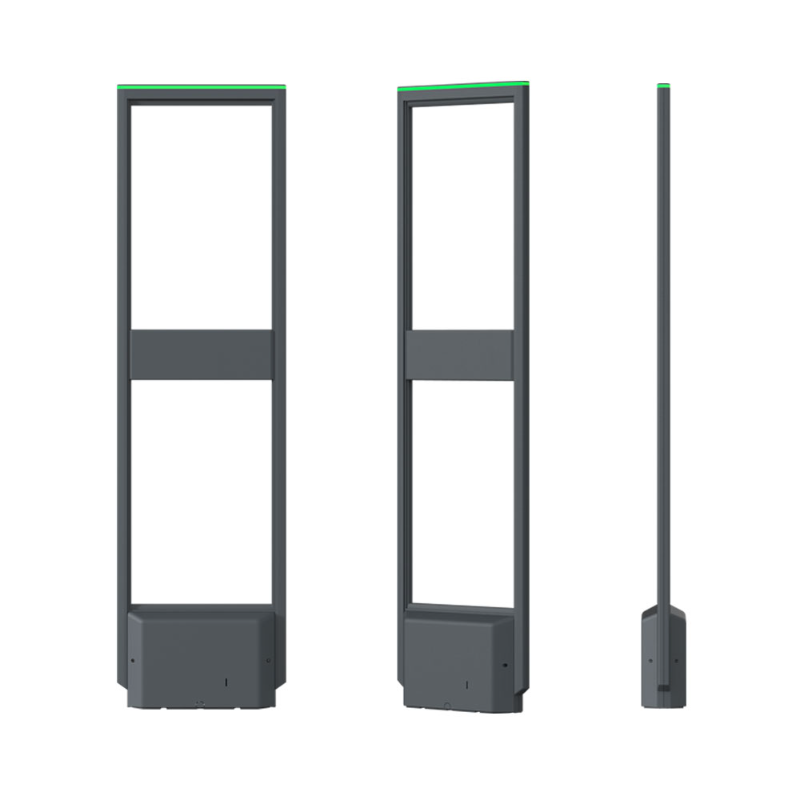
EAS AM Concealed System
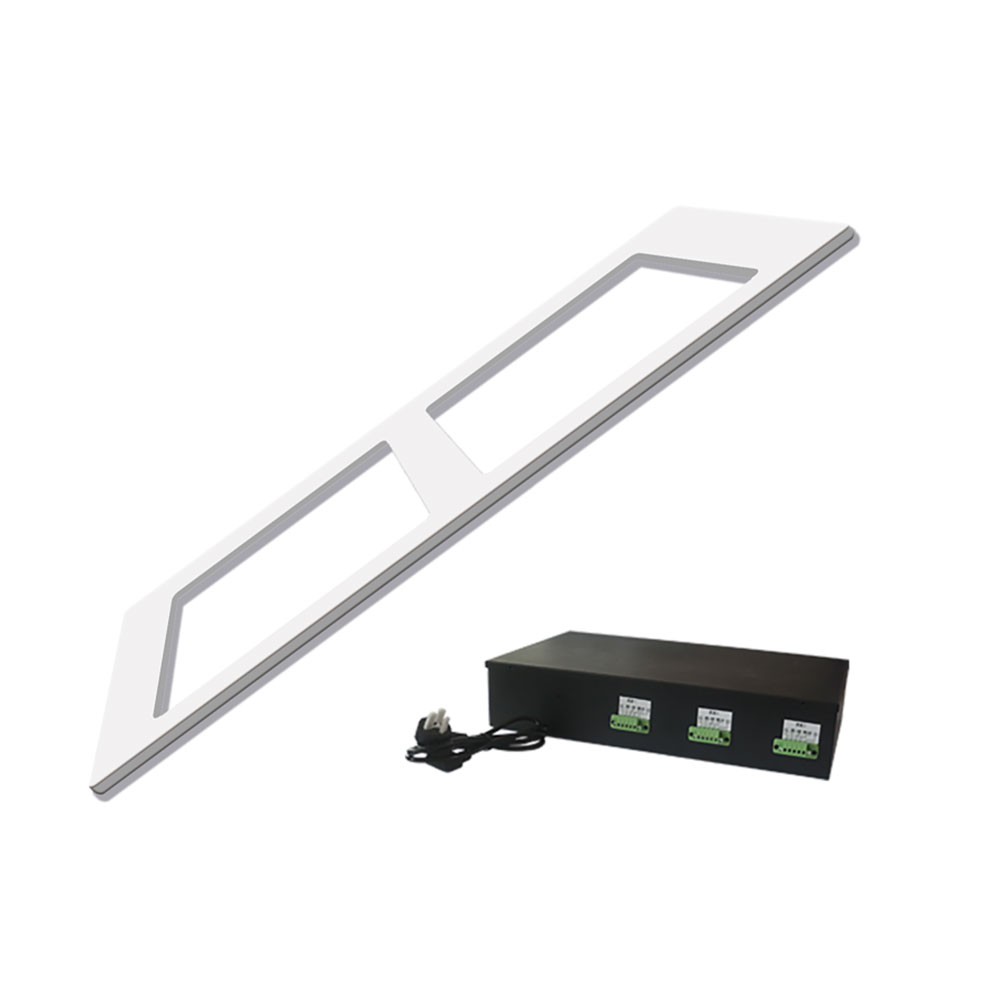
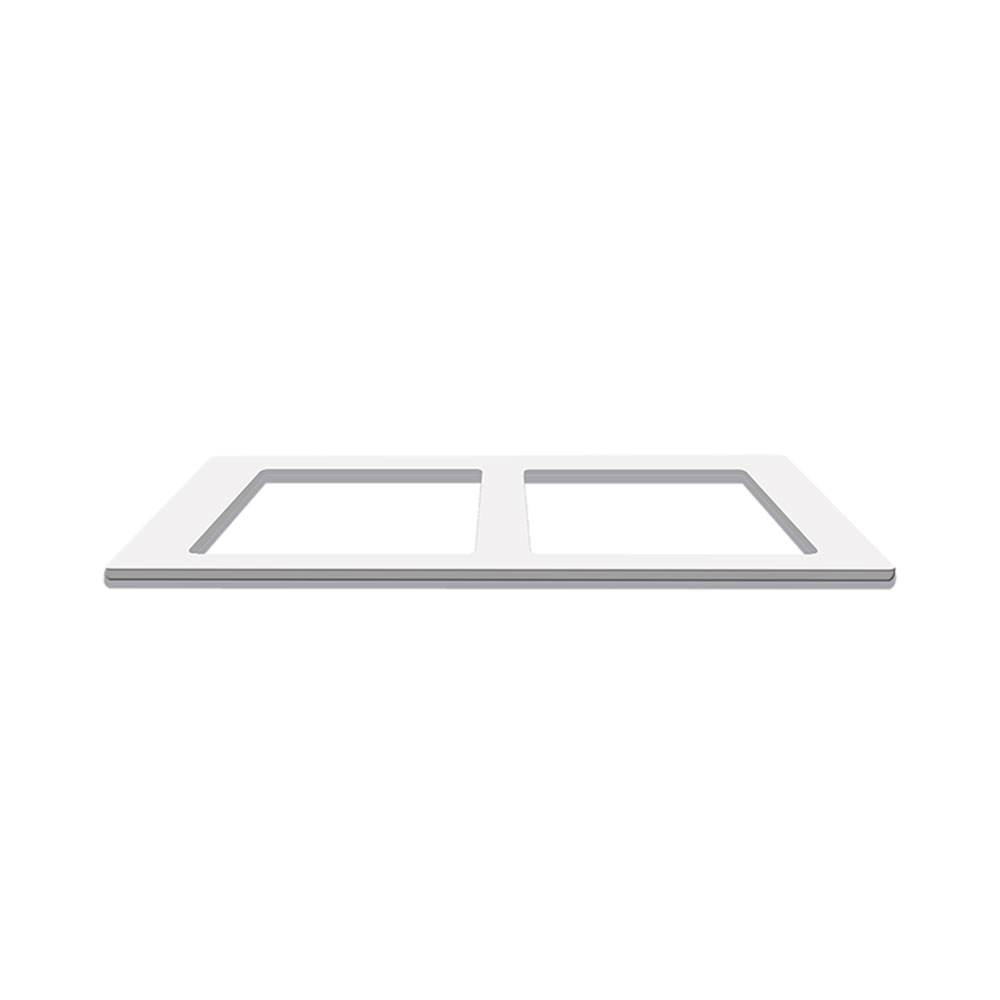
M9906 is a 58 kHz AM antenna built into a 20 mm PVC foam panel, 1600 x 600 mm as standard and customised to the recess, for stores that cannot put a pedestal at the door. Hard-tag detection height is 1.2-2.0 m; the mainboard is our own, with remote debugging for status and adjustment without lifting the floor. It suits tile, stone, timber, laminate and resin floors, and is specified by luxury, jewellery, pharmacy and flagship fashion projects. The EAS AM Concealed System is quoted per panel against the shop drawing.
Send Inquiry
Product Description
Model M9906 · Concealed antenna · 58 kHz
58 kHz AM band
20 mm Panel thickness
1.2-2.0 m Hard tag height
EAS AM Concealed System for Stores That Cannot Show a Gate
A flagship store with a stone floor and a listed façade is not going to accept two pedestals at the door. The answer is not a smaller gate; it is no gate at all — an antenna set flush into the floor, finished to match, invisible to the customer and still reading tags as they pass.
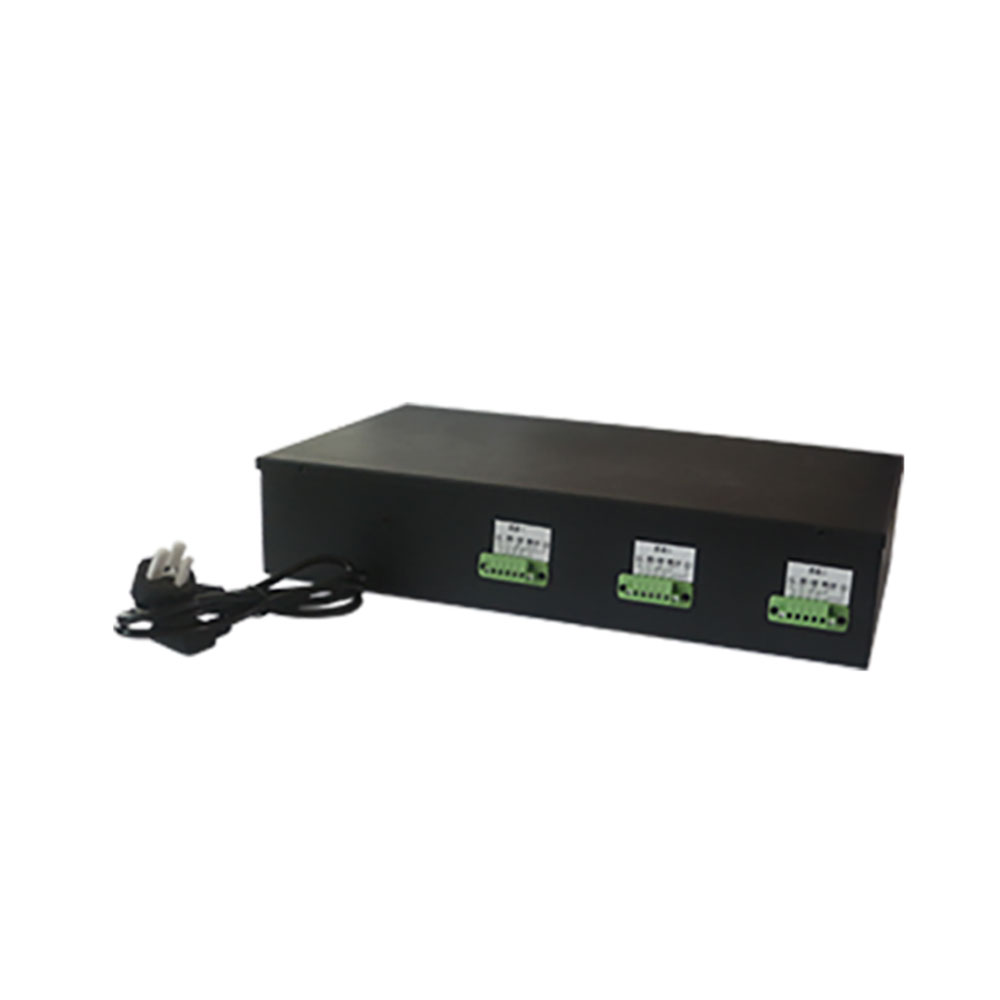
M9906 is a 20 mm PVC foam antenna panel, 1600 x 600 mm as standard and customisable to the recess, running the 58 kHz AM band with a hard-tag detection height of 1.2-2.0 m. The board is our own, with remote debugging, so a store can be re-tuned or diagnosed without lifting the floor for every adjustment.
Installation
What has to be true before the floor is opened
A concealed system is a construction decision as much as a security one. The panel needs a 20 mm recess with a liftable tile or service hatch above it, a power feed that does not cross the detection area, and a finish that survives trolley traffic. Get those four things right and the installation is a day; get them wrong and the store closes twice.
Recess and finish
Set the panel flush with the finished floor. Tile, stone, timber, laminate and poured resin all work; metal plates shield the field and should not sit over the antenna.
Power and data
110-220 V feed from a floor box outside the detection area, 100 W total, 25 W per antenna. Keep mains cable away from the panel edge to avoid injecting noise.
Commission and tune
The self-developed mainboard is tuned against the actual floor build-up. Remote debugging then reports equipment status and allows adjustment without opening the floor.
Train the staff
There is no pedestal to look at, so staff need to know the alarm exists and where it comes from. Pair the system with a visible indicator or a relay if the door is out of sight.
Trade-offs
What concealment buys, and what it costs
Buys
- An uninterrupted shopfront
- No pedestal to clean around or bump into
- Floor space returned to display
- Smoother customer flow at the door
Costs
- Floor work during fit-out
- No visible deterrent at the entrance
- Detection tuned to tag height, not label-only
- Service access must be planned, not improvised
Those trade-offs are why concealed systems are specified for luxury, jewellery, pharmacy and flagship fashion — stores where the entrance is the brand — and rarely for discount retail, where a visible gate does useful work on its own.


Specification
Technical Specification
| Model No | M9906 Concealed Antenna |
| Material | PVC foam board |
| Frame Color | White |
| Frequency | 58KHZ |
| Hard Tag | 1.2m-2.0m |
| Dimension | 1600*600*20MM (Customized) |
| Operating Voltage | 110-220v |
| Power Consumption | 100w |
| Work Rate of Each Antenna | 25w |
The 1600 x 600 x 20 mm panel is the standard size and is customised to the recess. Values are the published factory sheet.
System
What the tag side of the system looks like
The antenna is only half the system; the tags determine what it can read. These are the options that ship with concealed projects:
Pencil tag Hard tag for apparel and accessories
Lanyard tag Loop tag for bags and footwear
Wine tag Bottle neck tag for spirits
Optical tag Frame tag for eyewear
Self-alarm tag Cable-cut alarm for boxed goods
Hard tag Standard AM hard tag
Detacher Release at the till
AM labels DR labels for packaged goods
For most concealed installations the mix is AM hard tags on the high-value lines and AM labels on boxed stock, with a detacher at each till. The AM system range page shows how the antenna, tags and deactivation chain fit together.
EAS AM Concealed System (M9906) is quoted per antenna panel with the recess size, floor finish and detection height confirmed against the shop drawing.
Buyers
Who specifies it
Shopping-centre fit-out contractors, luxury and jewellery brands, pharmacy groups with premium interiors, and architects who are given a security requirement after the floor design is fixed. The question we ask first is not about the gate: it is whether the floor build-up can take a 20 mm panel and where the service hatch will be.
Our Dongguan factory builds the mainboard in-house and has been doing concealed installations since the AM core board entered production in 2016, which is why remote debugging is standard rather than an add-on.
Questions
Buyer Questions
How is a concealed antenna installed?
The 20 mm PVC foam antenna panel is set into a floor or wall recess and finished with the same material as the surrounding surface. The 1600 x 600 mm size is standard and can be customised to the recess; the panel is set flush so trolleys and cleaning machines pass over it.
Does hiding the antenna reduce detection?
It changes it. Detection depends on the tag passing over the panel, with a rated height of 1.2-2.0 m for hard tags. A label in a bag at ankle height is detected more reliably than a tag held high, so the technology suits baskets, trolleys and low shelving rather than a high hand-carry exit.
Can it be serviced without lifting the floor?
Remote debugging is built in: the board reports equipment status and can be adjusted remotely, which is the point of the self-developed mainboard. Physical access is still needed for a board replacement, so keep a service hatch or a liftable tile above the unit.
Which floor materials work?
The panel is designed to sit under tile, stone, timber, laminate and poured resin. Metal floor plates are the exception: they shield the field. Send the floor build-up and we will confirm the recess depth and the finish.
Send the floor build-up, get a recess drawing
Tell us the floor material, recess depth and door width; the reply covers panel size, service access and price.
Related Category
Send Inquiry
Please feel free to give your inquiry in the form below. We will reply you in 24 hours.