- English
- Español
- Português
- русский
- Français
- 日本語
- Deutsch
- tiếng Việt
- Italiano
- Nederlands
- ภาษาไทย
- Polski
- 한국어
- Svenska
- magyar
- Malay
- বাংলা ভাষার
- Dansk
- Suomi
- हिन्दी
- Pilipino
- Türkçe
- Gaeilge
- العربية
- Indonesia
- Norsk
- تمل
- český
- ελληνικά
- український
- Javanese
- فارسی
- தமிழ்
- తెలుగు
- नेपाली
- Burmese
- български
- ລາວ
- Latine
- Қазақша
- Euskal
- Azərbaycan
- Slovenský jazyk
- Македонски
- Lietuvos
- Eesti Keel
- Română
- Slovenski
- मराठी
- Srpski језик

How Do RFID Anti-Theft Systems Enhance Retail Security and Reduce Loss?
Article Summary
RFID anti-theft systems are transforming the way businesses protect inventory and reduce shrinkage. By leveraging radio frequency identification technology, these systems enable real-time tracking, automated alerts, and seamless integration with retail operations. This article provides a comprehensive explanation of how RFID anti-theft systems work, their benefits, types, and how to choose the right solution. It also addresses common customer concerns such as cost, installation, and reliability, helping businesses make informed decisions.
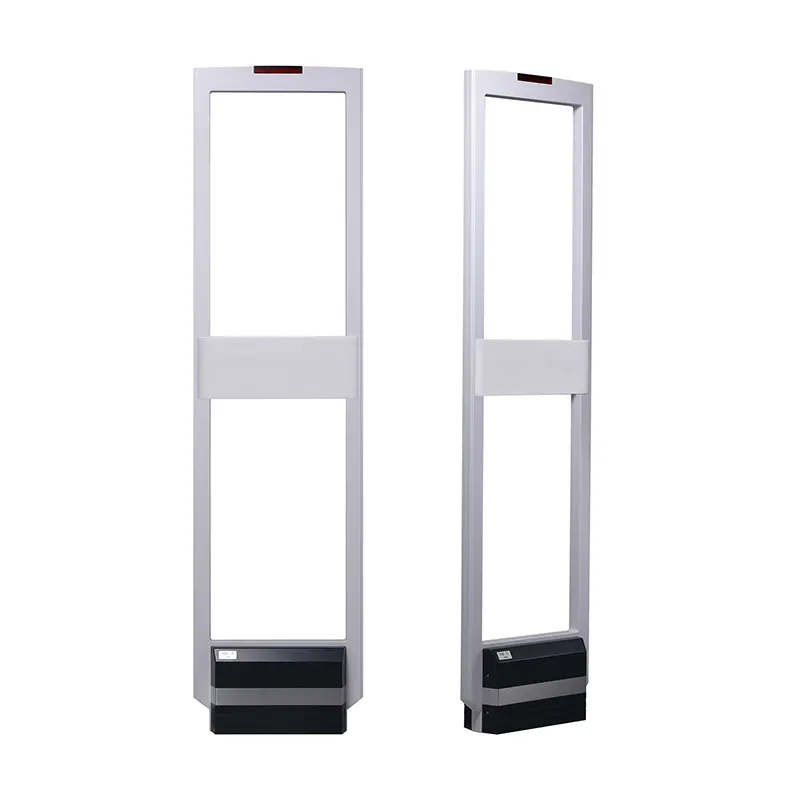
Table of Contents
- 1. What Are RFID Anti-Theft Systems?
- 2. How Do RFID Anti-Theft Systems Work?
- 3. Key Customer Pain Points Solved
- 4. Core Components and Features
- 5. Types of RFID Anti-Theft Systems
- 6. How to Choose the Right System
- 7. Installation and Best Practices
- 8. Frequently Asked Questions
- 9. Conclusion
1. What Are RFID Anti-Theft Systems?
RFID anti-theft systems are advanced security solutions designed to prevent theft and improve inventory visibility in retail and commercial environments. These systems use RFID tags attached to products, readers installed at entry and exit points, and software platforms to monitor item movement in real time.
Unlike traditional security tags, RFID systems offer enhanced functionality by enabling automated identification without requiring direct line-of-sight scanning. This makes them highly efficient for modern retail operations.
2. How Do RFID Anti-Theft Systems Work?
RFID anti-theft systems operate through the interaction of radio waves between RFID tags and readers. Each product is equipped with a unique RFID tag that stores identification data.
- RFID tags are attached to merchandise
- RFID antennas create a detection zone at store exits
- Readers scan tags automatically as items pass through
- Alarm systems trigger alerts for unauthorized removal
When a tagged item leaves the store without proper deactivation, the system immediately triggers an alarm, preventing potential theft.
3. Key Customer Pain Points Solved
Retailers and businesses face several challenges related to inventory loss and operational inefficiency. RFID anti-theft systems address these issues effectively.
- High Shrinkage Rates: Real-time detection reduces theft incidents
- Manual Inventory Errors: Automated tracking improves accuracy
- Slow Checkout Processes: Faster scanning enhances customer experience
- Lack of Visibility: Full inventory transparency across locations
By solving these problems, RFID systems contribute to improved profitability and operational control.
4. Core Components and Features
| Component | Description |
| RFID Tags | Attached to products, storing unique identification data |
| RFID Readers | Devices that detect and read tag information |
| Antennas | Create detection zones at entrances and exits |
| Control System | Processes data and triggers alarms |
| Software Platform | Provides analytics, reporting, and system management |
Solutions from LIFANGMEI are designed with advanced detection accuracy and stable performance, ensuring reliable protection in various retail environments.
5. Types of RFID Anti-Theft Systems
Different environments require different system configurations. Understanding available types helps in selecting the most effective solution.
- Gate-Based Systems: Installed at store exits for theft detection
- Handheld Readers: Used for inventory checks and audits
- Integrated POS Systems: Combine checkout and security functions
- Smart Shelves: Monitor product movement in real time
Each type offers unique advantages depending on store size, layout, and operational needs.
6. How to Choose the Right System
Selecting the right RFID anti-theft system involves evaluating several critical factors.
- Store Size and Layout: Determines antenna placement and coverage
- Product Type: Influences tag selection
- Budget: Balances cost and functionality
- Integration Needs: Compatibility with existing systems
- Scalability: Ability to expand as business grows
Working with an experienced supplier ensures proper system design and long-term reliability.
7. Installation and Best Practices
Proper installation is essential to maximize system performance and avoid false alarms.
- Install antennas at optimal entry and exit points
- Ensure correct tag placement on products
- Conduct regular system testing and calibration
- Train staff on system operation and troubleshooting
Following these practices helps maintain consistent security performance and minimizes operational disruptions.
8. Frequently Asked Questions
Q1: Are RFID anti-theft systems better than traditional EAS systems?
Yes, RFID systems provide additional benefits such as real-time tracking, inventory management, and improved accuracy compared to traditional systems.
Q2: What is the typical detection range?
The detection range depends on system design and antenna configuration, typically ranging from 1 to 3 meters.
Q3: Can RFID systems integrate with existing POS systems?
Most modern RFID solutions support integration with POS and inventory management systems, enhancing operational efficiency.
Q4: Is the system suitable for small retail stores?
Yes, scalable solutions are available for businesses of all sizes, from small boutiques to large retail chains.
9. Conclusion
RFID anti-theft systems represent a powerful solution for modern retail security challenges. By combining real-time tracking, automated alerts, and seamless integration, these systems not only reduce theft but also enhance operational efficiency and customer satisfaction.
LIFANGMEI offers reliable and innovative RFID anti-theft solutions tailored to meet diverse business needs, ensuring long-term value and performance.
If you are looking to upgrade your retail security and improve inventory management, contact us today to discover how our RFID solutions can support your business growth.