- English
- Español
- Português
- русский
- Français
- 日本語
- Deutsch
- tiếng Việt
- Italiano
- Nederlands
- ภาษาไทย
- Polski
- 한국어
- Svenska
- magyar
- Malay
- বাংলা ভাষার
- Dansk
- Suomi
- हिन्दी
- Pilipino
- Türkçe
- Gaeilge
- العربية
- Indonesia
- Norsk
- تمل
- český
- ελληνικά
- український
- Javanese
- فارسی
- தமிழ்
- తెలుగు
- नेपाली
- Burmese
- български
- ລາວ
- Latine
- Қазақша
- Euskal
- Azərbaycan
- Slovenský jazyk
- Македонски
- Lietuvos
- Eesti Keel
- Română
- Slovenski
- मराठी
- Srpski језик

What are the core components and key technical specifications of an RFID system?
RFID Technology: The Core Components
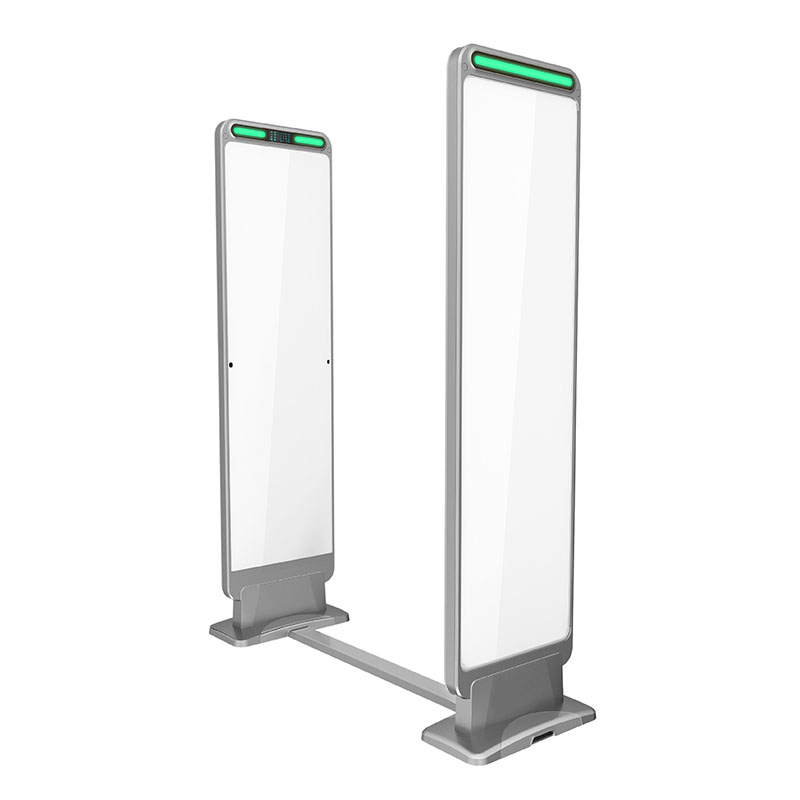
An RFID SYSTEM consists of three essential components working in concert: tags that store data, readers that capture it, and antennas that enable the wireless connection. When integrated with a RFID system, these components create continuous visibility into inventory movement .
RFID Tags
| Parameter | Specification |
| Type | Passive UHF (Ultra-High Frequency) – 860–960 MHz |
| Power Source | No internal battery; powered by reader signal |
| Memory | EPC memory: 96–496 bits; User memory: up to 8 kilobits |
| Read Range | Up to 12 meters (40 feet) under optimal conditions |
| Standards Compliance | ISO/IEC 18000-63, EPC UHF Gen2v2 |
| Form Factors | Wet inlay (adhesive), dry inlay, hard tag, hang tag |
| Operating Temperature | -20°C to +70°C |
| Data Retention | 20+ years |
| Write Cycles | 100,000+ times |
Passive UHF tags represent the most common choice for retail and logistics applications. They cost pennies per unit, require no battery maintenance, and deliver reliable performance across supply chain environments .
RFID Readers
| Parameter | Specification |
| Reader Type | Fixed portal / Overhead ceiling / Handheld |
| Frequency Range | 860–960 MHz (region-specific) |
| Output Power | Adjustable, up to +30 dBm (1 watt) |
| Read Rate | Up to 1,200 tags per second |
| Interfaces | Ethernet, Wi-Fi, Bluetooth, USB, RS-232 |
| Protocol Support | EPC Gen2v2, ISO 18000-63 |
| Power Supply | 12–24 VDC or Power over Ethernet (PoE) |
| Environmental Rating | IP54 (fixed units) / IP67 (industrial handhelds) |
RFID Antennas
| Parameter | Specification |
| Gain | 4–12 dBi (dependent on application) |
| Polarization | Circular or linear |
| Frequency Band | 860–960 MHz |
| Connector Type | RP-TNC or SMA |
| Mounting Options | Wall, overhead, Pedestal, concealled |