- English
- Español
- Português
- русский
- Français
- 日本語
- Deutsch
- tiếng Việt
- Italiano
- Nederlands
- ภาษาไทย
- Polski
- 한국어
- Svenska
- magyar
- Malay
- বাংলা ভাষার
- Dansk
- Suomi
- हिन्दी
- Pilipino
- Türkçe
- Gaeilge
- العربية
- Indonesia
- Norsk
- تمل
- český
- ελληνικά
- український
- Javanese
- فارسی
- தமிழ்
- తెలుగు
- नेपाली
- Burmese
- български
- ລາວ
- Latine
- Қазақша
- Euskal
- Azərbaycan
- Slovenský jazyk
- Македонски
- Lietuvos
- Eesti Keel
- Română
- Slovenski
- मराठी
- Srpski језик

The antenna doesn't work, makes strange noises, sometimes works and sometimes doesn't: Which components of the Lifangmei Technology EAS system are most prone to aging?
After using the EAS antenna for several years, various problems may arise: the detection range becomes shorter, there are inexplicable false alarms, the lights don't work... It's not that the antenna is "broken", but rather some components have reached their lifespan. Understanding which components are prone to aging can help retailers plan maintenance in advance instead of being in a rush when problems occur.
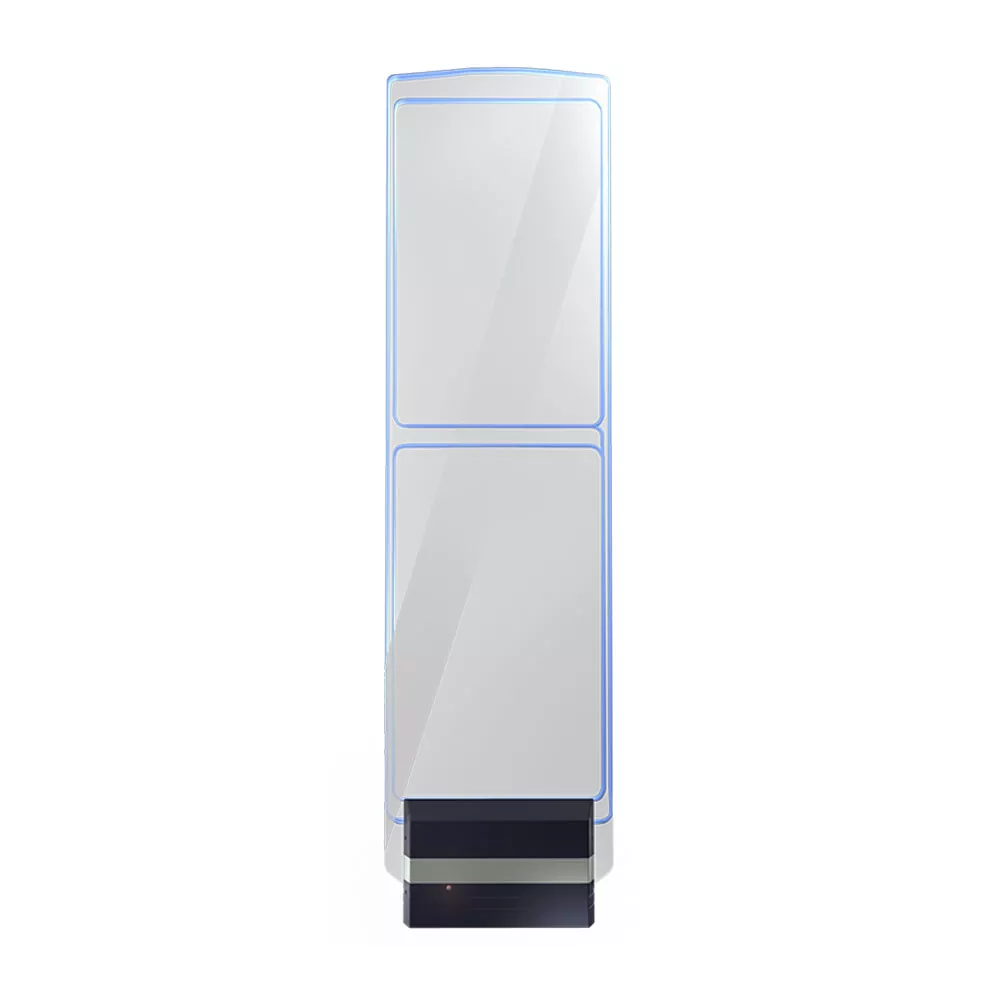
Motherboard: The "Brain" of the Antenna
The motherboard is the core component of the EAS antenna, responsible for transmitting signals, receiving feedback from the tags, and determining whether to trigger an alarm.
Common aging phenomena:
Capacitor aging leads to signal drift.
The thermal stability of components has declined (resulting in more false alarms in summer)
The firmware version is outdated and incompatible with the new label.
The approach of Lifangmei Technology:
The company independently developed the AM100 and AM100E motherboards, with controllable component selection. The soft labels of the AM100 motherboard can be detected at a distance of 1.6-2.0 meters, and the hard labels can be detected at 1.8-3.0 meters; the AM100E is an economy version, with a slightly shorter detection distance.
Maintenance Suggestions:
Regularly check whether the detection distance has shortened.
Record the frequency of false alarms and contact technical support in case of abnormalities.
Inquire about firmware updates
LED light strips: The most overlooked consumable
The LED lights on the antenna are not just "ornaments"; they have functional significance: they indicate to customers and staff that the equipment is working (always on), and change color and flash during an alarm. When the light strips stop working, the deterrent effect is reduced.
Common aging phenomena:
Brightness attenuation (dimming over time)
Some LEDs are not lighting up (a certain section of the light strip is faulty)
The entire device is not lighting up (problem with the power supply)
Maintenance suggestions from Lifangmei Technology:
The lifespan of LED light strips is typically 30,000 to 50,000 hours (usable for 7 to 11 years if lit for 12 hours a day).
When some parts are not functioning properly, only the light strips can be replaced instead of the entire antenna.
When making the purchase, inquire whether the light strips can be replaced individually.
Power Supply: Unstable voltage is the main cause of damage to the motherboard.
The power supply is responsible for converting the mains voltage (110-220V) into the low voltage required by the antenna motherboard. Voltage instability, lightning strikes, and power supply aging can all cause damage to the motherboard.
Common Questions:
The output is unstable, causing abnormal operation of the motherboard.
No overvoltage protection. The motherboard will be damaged during a lightning strike.
The fuse has blown and cannot be restored by itself.
The approach of Lifangmei Technology:
Lifangmei Technology produces its own AC1100 power supply, "integrating control boards and fuses to prevent damage to the system due to incorrect power operations". The working voltage is 110-220V, suitable for 50Hz and 60Hz, and multiple types of plugs are available.
Maintenance Suggestions:
Check the power status before the rainy season
Purchase sockets or UPS with surge protection function
After the fuse blows, contact the supplier to have it replaced.
Maintenance cost comparison
| Component | Replacement frequency | Cost | Whether it can be replaced separately |
| Motherboard | 5-8 years | Medium | Yes |
| LED light strips | 7-11 years | Lower | Yes (for some models) |
| Power supply | 3-5 years | Low | Yes |
| Screws | As needed | Extremely low | Yes |
Some questions that are not mentioned in the ForceMai Technology product catalogue but are worth asking:
When purchasing EAS antennas, you can ask the supplier the following questions:
Can the LED strip be replaced separately if it is broken?
Is the power adapter universal or dedicated?
How is the repair cost for the motherboard after the warranty period expires?
Is there an extended warranty service?
Li Fangmei Technology has over 80 employees, including those in the R&D, engineering, sales and technical support departments. It offers after-sales maintenance services. Specific policies need to be consulted with the sales department.