- English
- Español
- Português
- русский
- Français
- 日本語
- Deutsch
- tiếng Việt
- Italiano
- Nederlands
- ภาษาไทย
- Polski
- 한국어
- Svenska
- magyar
- Malay
- বাংলা ভাষার
- Dansk
- Suomi
- हिन्दी
- Pilipino
- Türkçe
- Gaeilge
- العربية
- Indonesia
- Norsk
- تمل
- český
- ελληνικά
- український
- Javanese
- فارسی
- தமிழ்
- తెలుగు
- नेपाली
- Burmese
- български
- ລາວ
- Latine
- Қазақша
- Euskal
- Azərbaycan
- Slovenský jazyk
- Македонски
- Lietuvos
- Eesti Keel
- Română
- Slovenski
- मराठी
- Srpski језик

RFID + EAS: Why This Is the "Double Guarantee" Solution for Retail Loss Prevention?
In the field of retail loss prevention, RFID and EAS are often compared. However, the industry trend in 2026 indicates that the combination of the two is more valuable than choosing one over the other.
What are the advantages of EAS and RFID?
| Dimension | EAS | RFID |
| Core Function | Instant alarm at the entrance and exit | Individual item tracking |
| Detection Method | Tag activation/deactivation detection | RFID reading |
| Application Scenarios | Store exit protection | Inventory management, full-process traceability |
| Detection Rate | High | Up to 95% or more |
| Inventory Accuracy Rate | Not supported | Up to 99.99% |
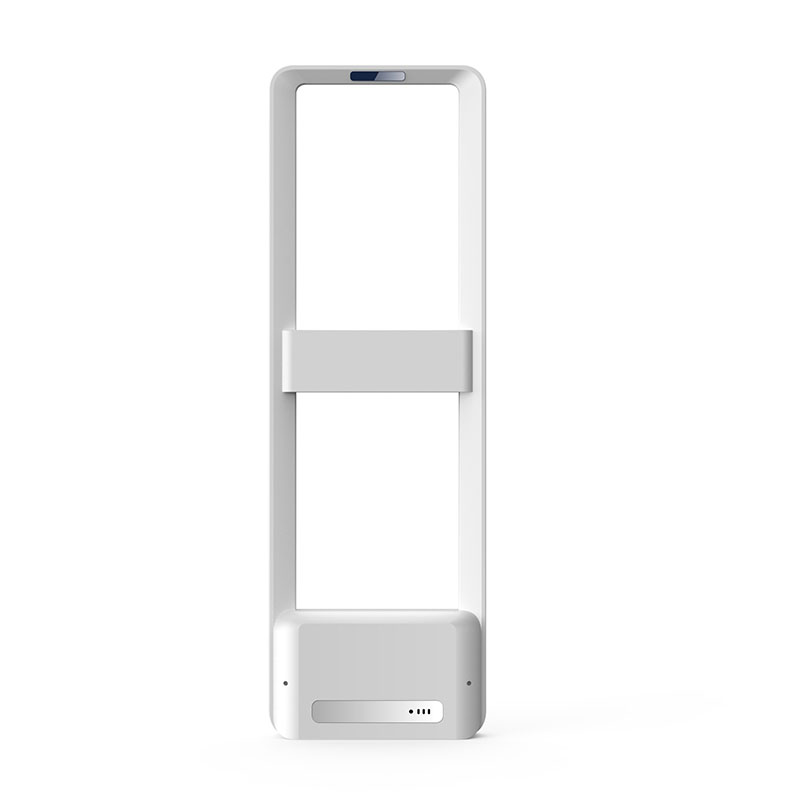
The core value of the RFID + EAS integrated solution
1. Dual protection, reducing false alarms
When EAS and RFID are deployed simultaneously, the two technologies serve as backups for each other. Even if one technology is bypassed, the other can still function.
2.From "anti-theft" to "full-process management"
The application scenarios of the RFID + EAS solution go beyond store exit protection:
Store entrance/checkout area
Clothing item tracking in fitting rooms
Inventory count and replenishment
Warehouse sorting (can handle thousands of items per minute)
3.Support for source tag planning
Suppliers pre-apply RFID/EAS tags at the factory, and retailers can use them after receiving the goods, significantly reducing the labor cost of tagging in stores.
Which retailers are adopting it?
The RFID + EAS integrated solution has been verified in the following areas:
Clothing retail: High item value, high loss pressure
Electronics: High-value goods require dual protection
Large supermarkets: Many categories, high traffic, requires efficient management
Lifangmei’s View
RFID and EAS are not a substitution relationship, but a complementary one. For retailers, choosing an EAS system that supports RFID expansion is a wise decision to prepare for the future.