- English
- Español
- Português
- русский
- Français
- 日本語
- Deutsch
- tiếng Việt
- Italiano
- Nederlands
- ภาษาไทย
- Polski
- 한국어
- Svenska
- magyar
- Malay
- বাংলা ভাষার
- Dansk
- Suomi
- हिन्दी
- Pilipino
- Türkçe
- Gaeilge
- العربية
- Indonesia
- Norsk
- تمل
- český
- ελληνικά
- український
- Javanese
- فارسی
- தமிழ்
- తెలుగు
- नेपाली
- Burmese
- български
- ລາວ
- Latine
- Қазақша
- Euskal
- Azərbaycan
- Slovenský jazyk
- Македонски
- Lietuvos
- Eesti Keel
- Română
- Slovenski
- मराठी
- Srpski језик

What are the most frequently asked questions about Lifangmei EAS systems, and how does the brand address them?
Lifangmei EAS SYSTEM FAQ: Your Questions, Answered
To help you make an informed decision, here are the three most common questions we encounter regarding the installation and operation of Lifangmei EAS systems.
Q1: Can I install this EAS system myself, or do I need a professional technician?
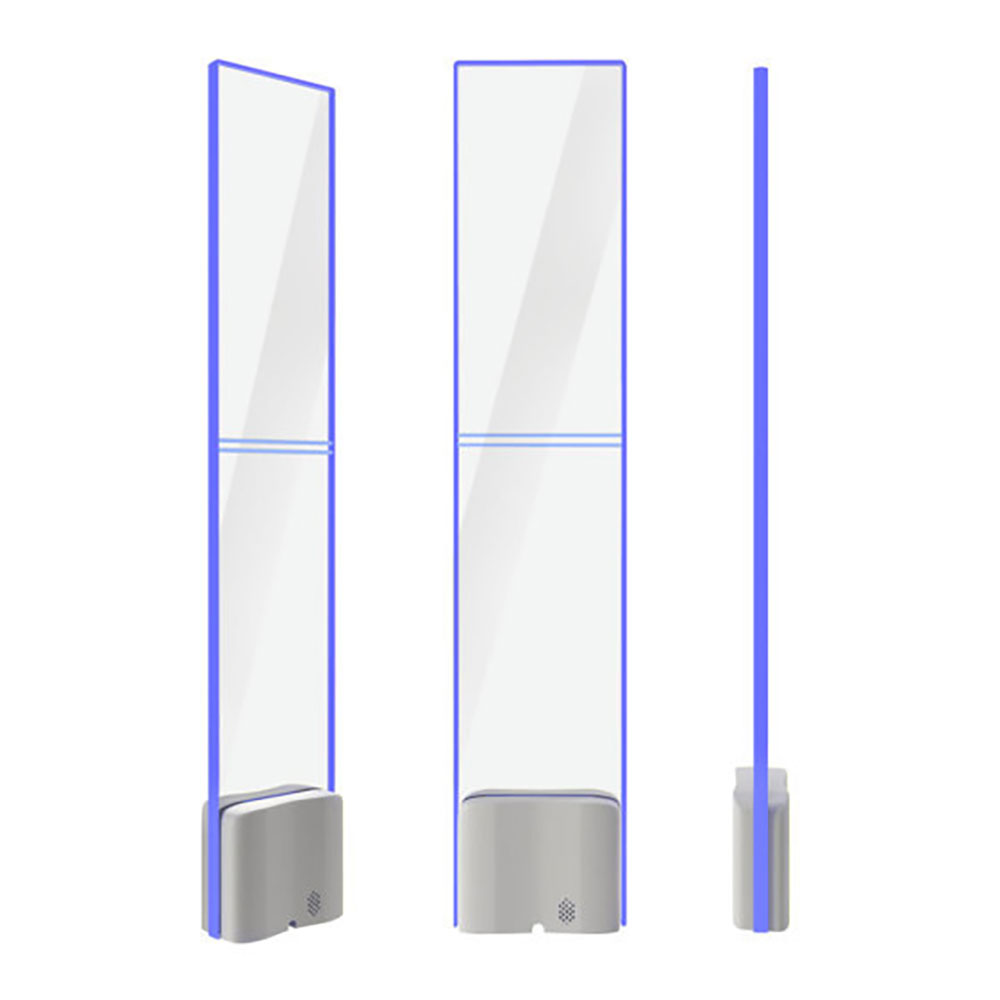
A: While the physical installation is designed for EAS system to be straightforward—simply position the pedestals, connect the synchronization cable, and plug them into a standard power outlet—we strongly recommend professional commissioning for optimal performance.
The most critical step is "site tuning." A professional technician uses an RF analyzer to map the store's existing radio frequency noise floor. They then calibrate the specific sensitivity settings for your location. If the pedestals are installed too close to metal window frames or specific types of display cases without proper tuning, you may experience reduced detection range. For a system of this caliber, paying for expert installation ensures you unlock the full 1.8-meter detection range and maximize your return on investment.
Q2: How durable are these EAS systems for high-traffic environments like grocery stores?
A: Durability was a primary consideration in the engineering of this model EAS systems. The housing is constructed from extruded Aluminum Alloy, not plastic. This material choice serves two purposes: it provides structural rigidity that prevents warping from heat or physical impact (such as shopping carts bumping into the pedestals), and it acts as a natural heat sink for the internal electronics, prolonging the lifespan of the EAS system circuit boards.
Additionally, the base plate of EAS systems is reinforced with a heavy-gauge steel foot. In high-traffic scenarios where floor scrubbers or trolleys frequently pass by, this reinforced base prevents the unit from shifting out of alignment, which is a common failure point in lighter, plastic-based systems. This unit is rated for continuous operation in environments ranging from -15°C to 60°C .
Q3: What happens if one of the pedestals breaks down? Will the whole EAS system shut off?
A: This highlights another key engineering advantage of this specific EAS SYSTEM. The units operate in a "Master/Slave" configuration. The EAS systems Master pedestal houses the primary processing board and the transmitter, while the Slave handles the receiver functions.
If the EAS system Slave unit experiences a hardware failure, the EAS Master will typically continue to operate, albeit with a reduced detection range (operating as a mono system). More importantly, if the Master EAS system unit fails, you do not have to send both pedestals back for repair. The EAS System is designed for modular repair; the circuit board can be swapped out in minutes. To minimize downtime, we offer a 48-hour advanced replacement guarantee for defective core components under warranty, ensuring your store is never left unprotected for weeks waiting for overseas repairs.
Our Commitment: The Quality Promise
Investing in security infrastructure is a significant decision. To ensure confidence in this hardware, we provide a comprehensive support package that goes beyond the standard industry offering: