- English
- Español
- Português
- русский
- Français
- 日本語
- Deutsch
- tiếng Việt
- Italiano
- Nederlands
- ภาษาไทย
- Polski
- 한국어
- Svenska
- magyar
- Malay
- বাংলা ভাষার
- Dansk
- Suomi
- हिन्दी
- Pilipino
- Türkçe
- Gaeilge
- العربية
- Indonesia
- Norsk
- تمل
- český
- ελληνικά
- український
- Javanese
- فارسی
- தமிழ்
- తెలుగు
- नेपाली
- Burmese
- български
- ລາວ
- Latine
- Қазақша
- Euskal
- Azərbaycan
- Slovenský jazyk
- Македонски
- Lietuvos
- Eesti Keel
- Română
- Slovenski
- मराठी
- Srpski језик

Products
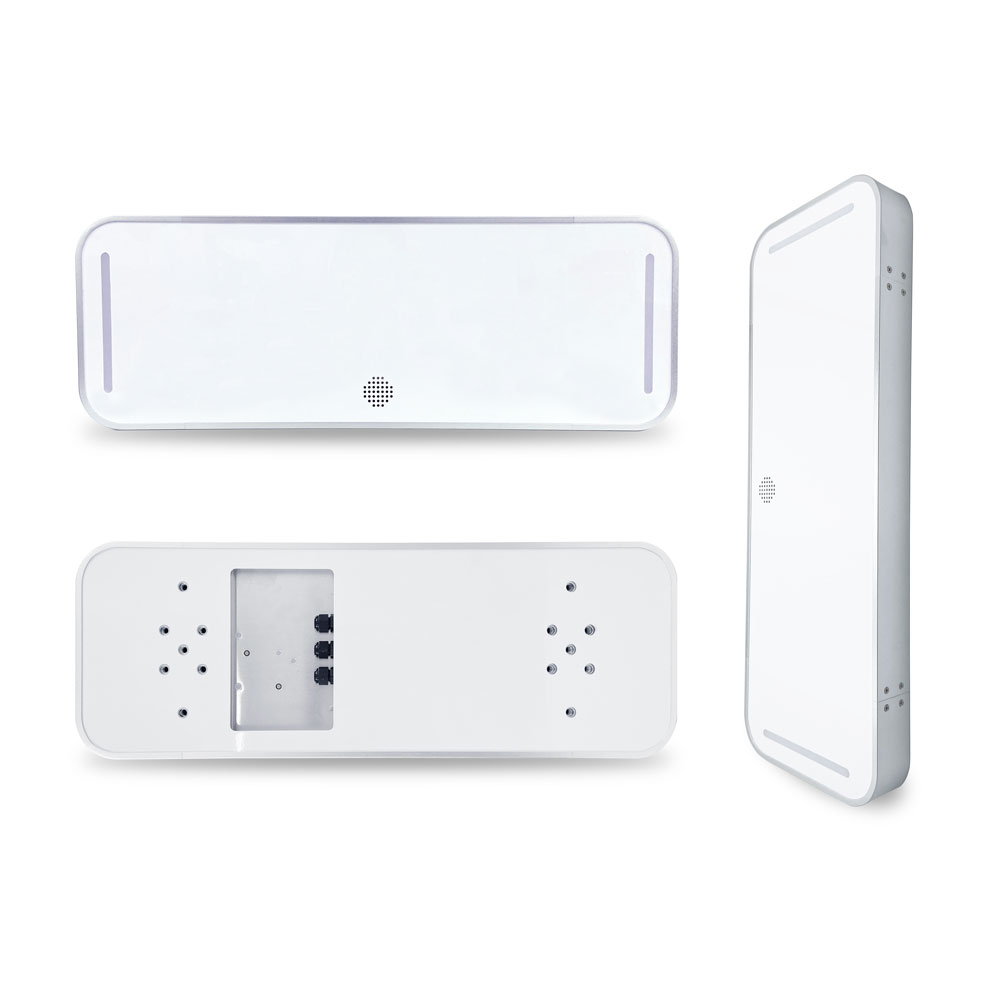
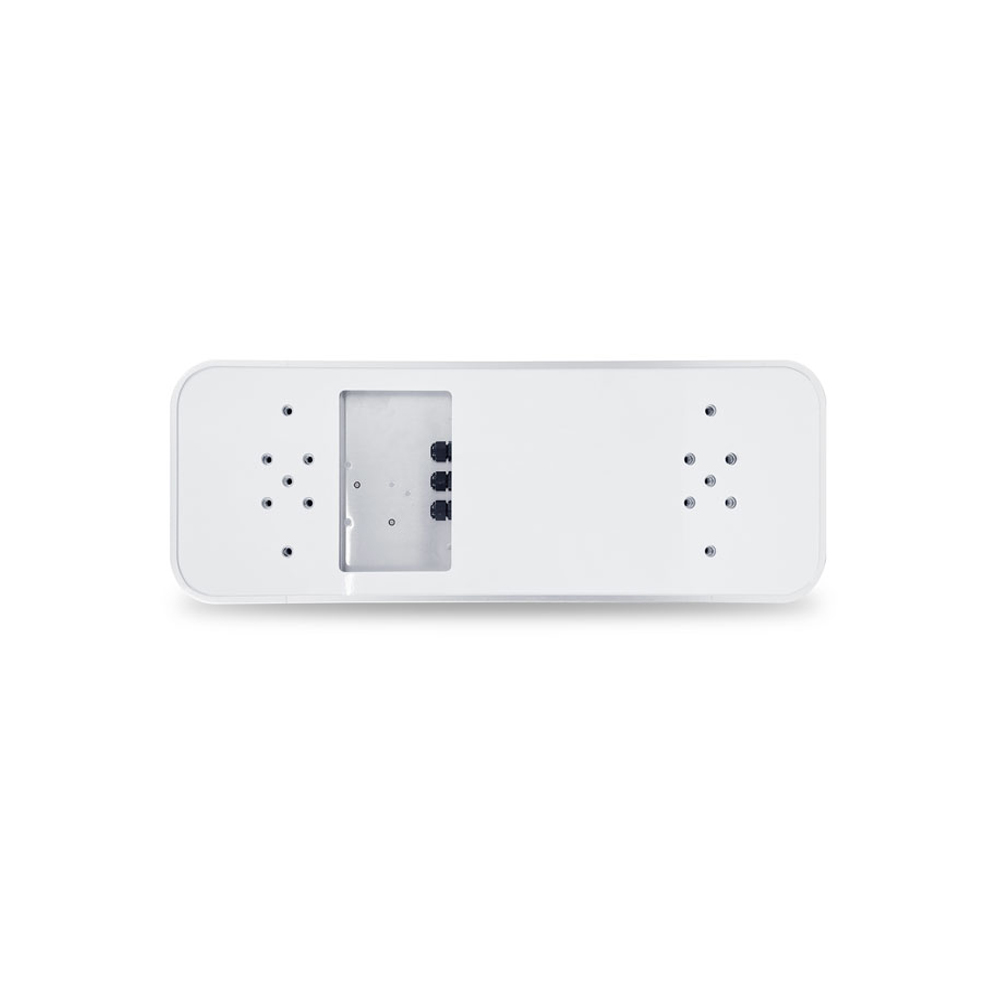
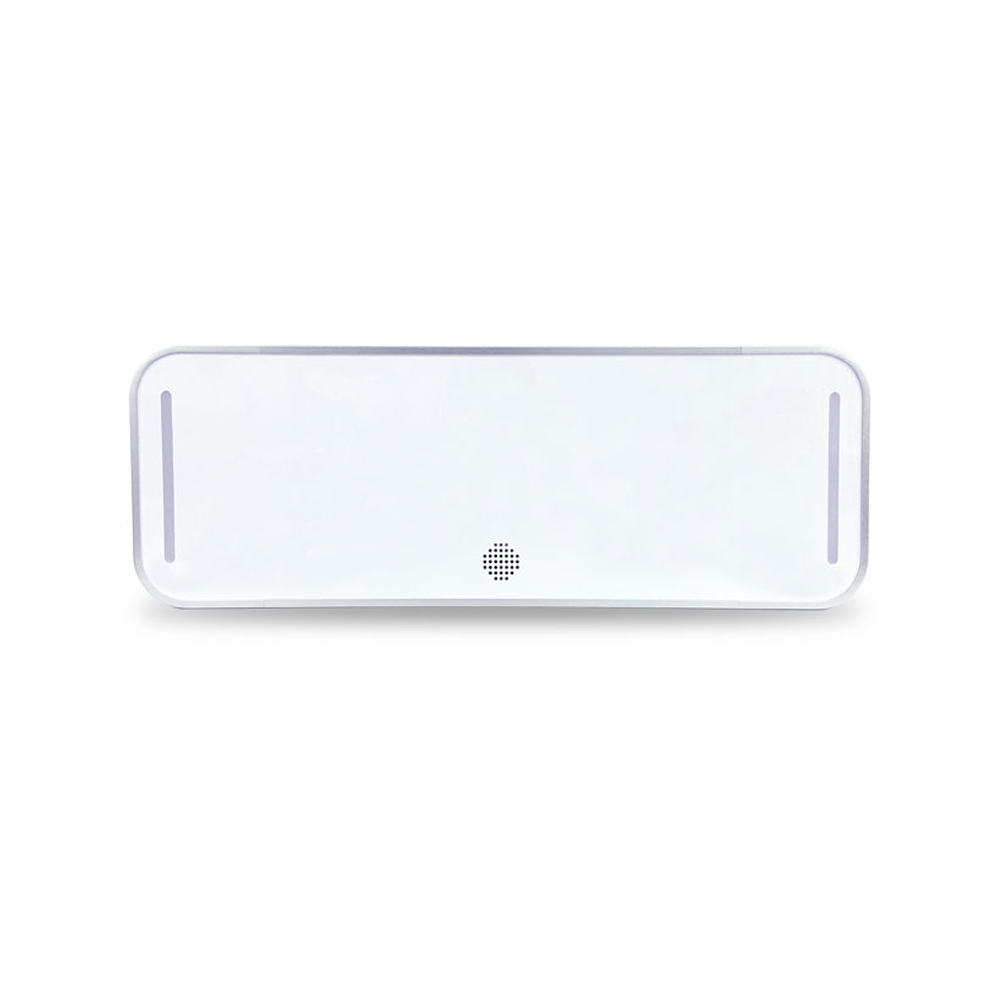
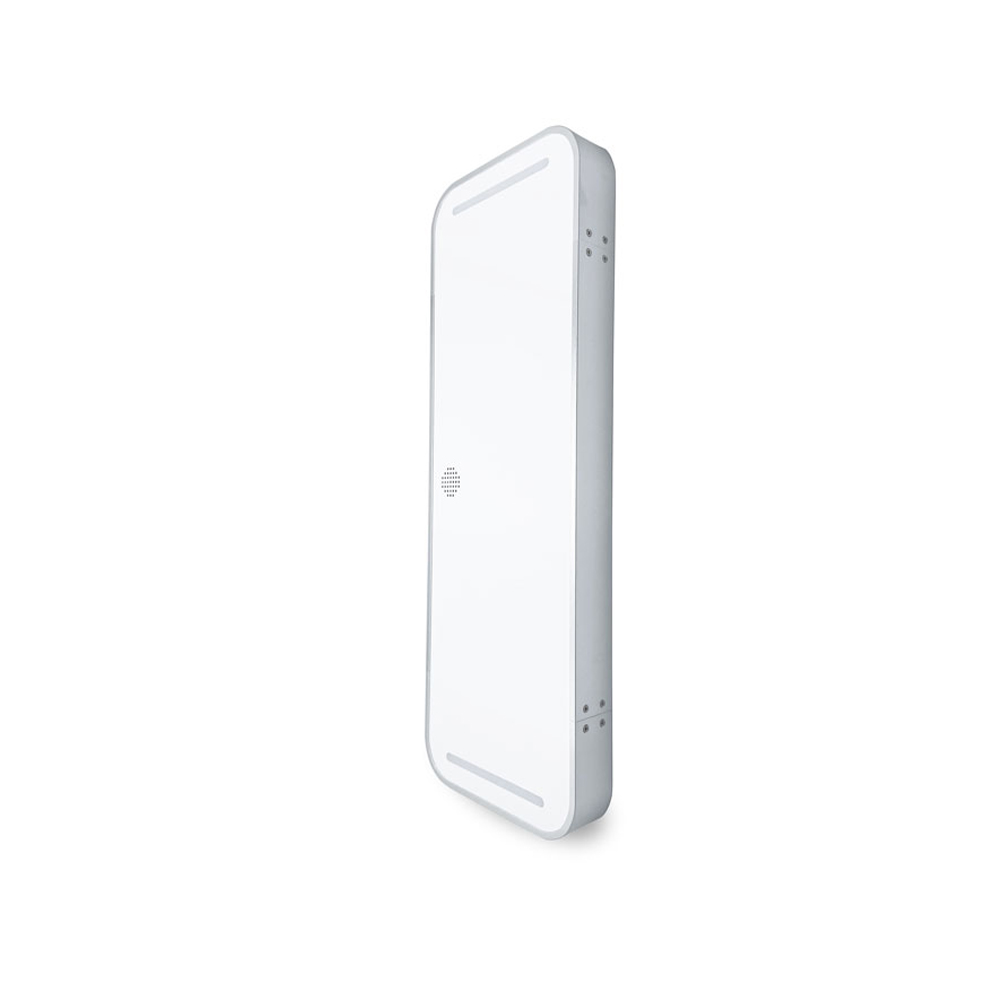
Overhead UHF RFID Antenna
This overhead reader puts the UHF reader in the ceiling: EPC C1 G2 tags read at 10-33 dBm from above the aisle, where trolleys and customers cannot block the beam. A 24 GHz radar wakes it on entry, so standby draw is 1.76 W against 16.2 W working. RJ45 with PoE 802.3af/at, USB 2.0 and 3.0, and GPIO with 4 inputs and 8 outputs at 250 mA each make it part of a store system rather than a standalone scanner. The Overhead UHF RFID Antenna weighs 1.35 kg, mounts on ceiling, wall or tube, and runs on Android, Ubuntu, Debian, OpenHarmony or Orange Pi OS.
Send Inquiry
Product Description
Model LFM-DZ001 · UHF RFID · Ceiling mounted
Put an RFID reader at waist height and the shop floor fights it: trolleys, baskets, customers, handbags. Put it in the ceiling and the same tags are read from above, through the gap that was always there.
Ceiling plane
LFM-DZ001
575 x 200 mm
Read zone below the antenna · 10-33 dBm adjustable · triggered by a 24 GHz radar
33 dBm Max output
24 GHz Human radar
16.2 W Working power
1.35 kg Reader weight
Overhead UHF RFID Antenna for Stores Where Floor Readers Get Blocked
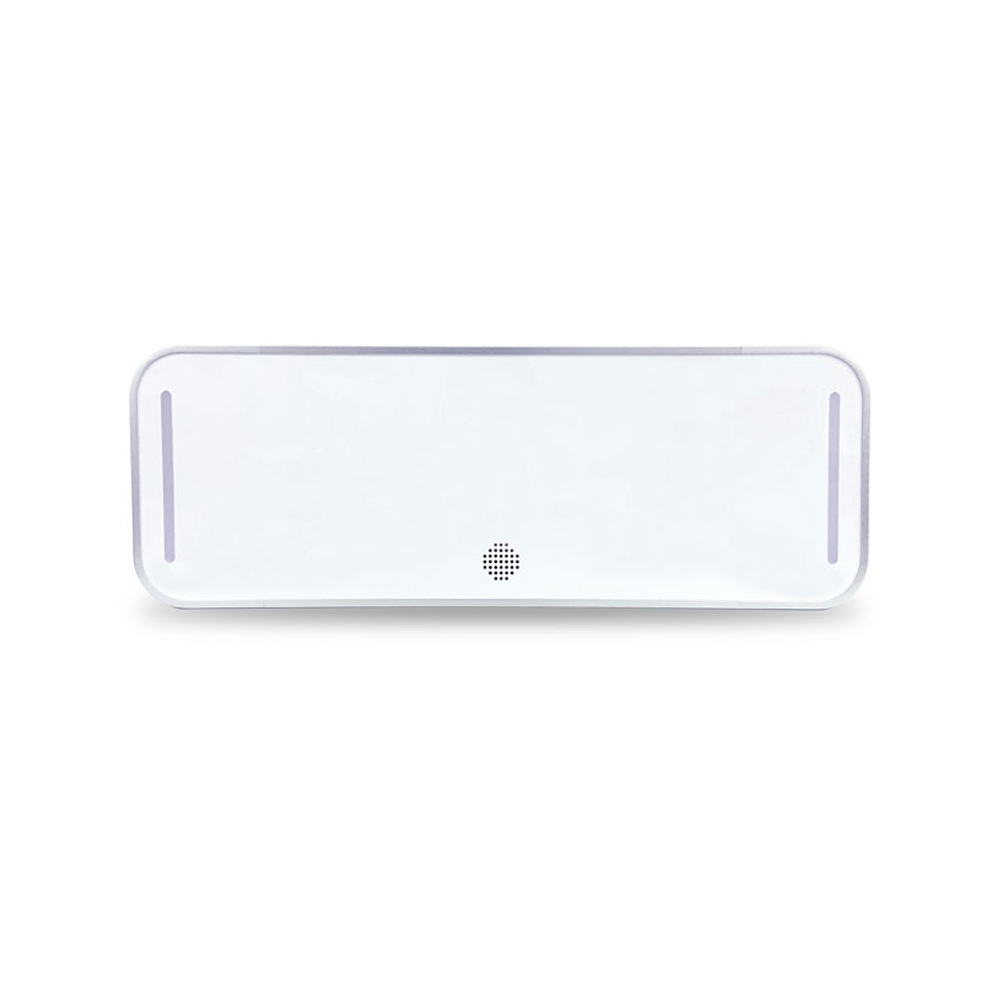
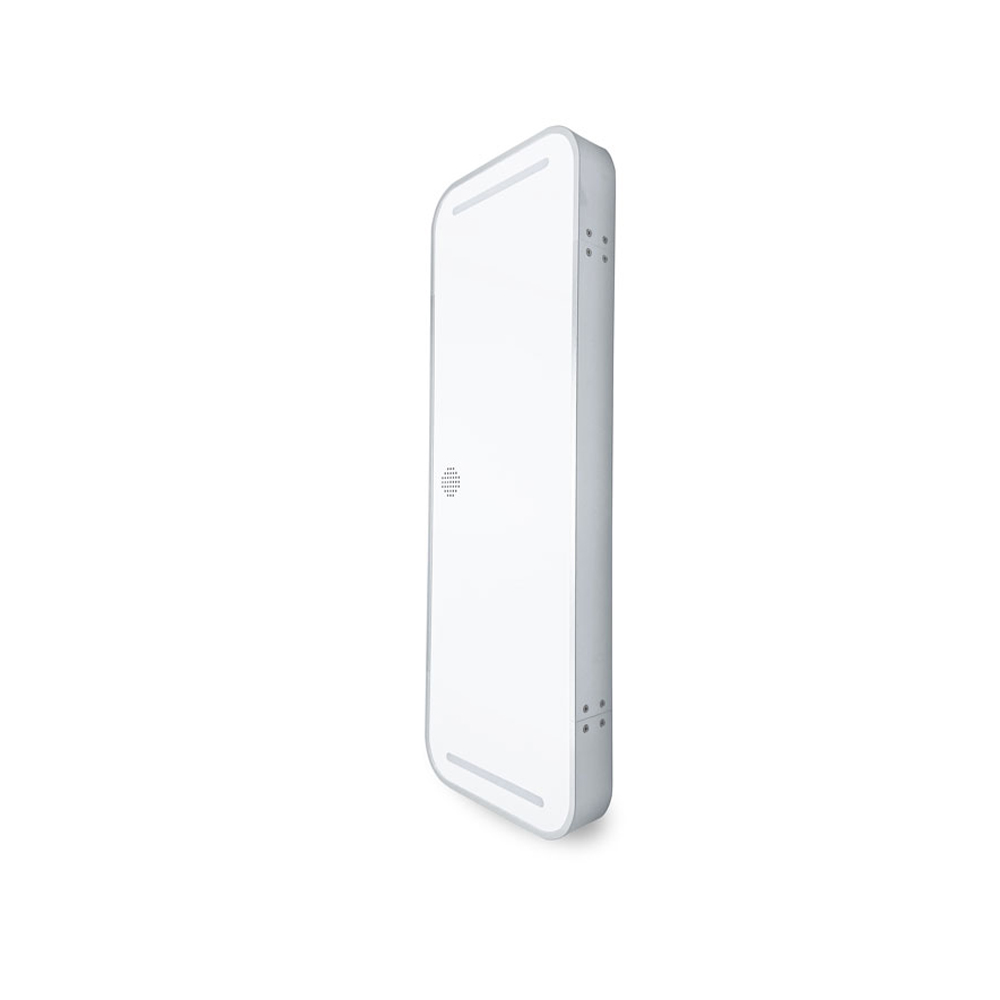
LFM-DZ001 is a combined UHF reader and antenna in a 575 x 200 x 45 mm housing, mounted above the aisle. It reads EPC C1 G2 (ISO18000-6C) tags at 10-33 dBm, which is enough for passive labels on garments, boxed goods, luggage and library stock. Because the beam comes down from the ceiling, the stack of trolleys at the checkout is no longer between the reader and the tag.
The unit is not a dumb antenna. It carries the reader board, the network interface and the alarm output, so a store can run it from a switch port or a 12 V adapter without a separate reader cabinet. That is what makes a ceiling installation practical in a fit-out that already has cable trays above the shopfloor.
Radar-triggered, not always scanning
A reader that scans an empty aisle all day spends power and fills the log with nothing. The built-in 24 GHz radar detects a person entering the zone, wakes the reader, reads the tags and goes back to 1.76 W standby. Working power is 16.2 W, and the difference between the two states is the reason a store can run several units on one circuit.
What it reads
EPC C1 G2 passive tags: garment labels, carton labels, luggage tags, library books, asset labels. Multi-tag reading is handled in a single pass, which is the point of UHF in a retail aisle.
What it signals
Blue for standby, red for alarm, green for an authorized tag. The buzzer and alarm light are built into the housing, so a tag that is not authorized can be flagged at the antenna instead of only in the software.
Wiring it in
One RJ45 port at 10/100/1000 Mbps carries the data; PoE 802.3af or 802.3at can carry the power over the same 100 m Category 5e run, with a 25.1 W maximum load in 802.3at mode. Where PoE is not available, the supplied 12 V/2 A adapter and a 9-24 V input range cover the site. USB is there for local service: one USB 2.0 device/host port, two USB 2.0 host ports and one USB 3.0 host port.
The GPIO block is what turns the reader into part of a store system: four input channels and eight output channels at up to 250 mA each can drive a gate relay, a light tower or a door contact. Host software runs on Android 11, Ubuntu 22.04/20.04, Debian 11/12, OpenHarmony 4.0 Beta1 or Orange Pi OS, so the unit fits both commercial middleware and a small in-store appliance.
Where it earns its place
| Store type | What the overhead position solves |
|---|---|
| Shopping malls | Overhead tag reading; customers walk freely, tags read automatically |
| Clothing stores | Inventory tracking and theft prevention without obstructing displays |
| Luggage stores | RFID tags on suitcases and bags; fast inventory, loss prevention |
| Shoe and hat stores | Overhead reading of small-format RFID tags, no handheld scanner |
| Department stores | Multi-tag reading across categories; unified inventory management |
| Libraries | Book check-in and check-out without a staffed counter |
| Asset tracking | Continuous visibility of high-value assets |
For retail chains the pattern is consistent: the antenna goes above the fitting-room exit, the luggage wall or the stockroom door, and the reads are used for both inventory and loss prevention. Libraries use the same unit over the returns desk. Asset tracking uses it in plant rooms and IT stores where a handheld scan is too slow.
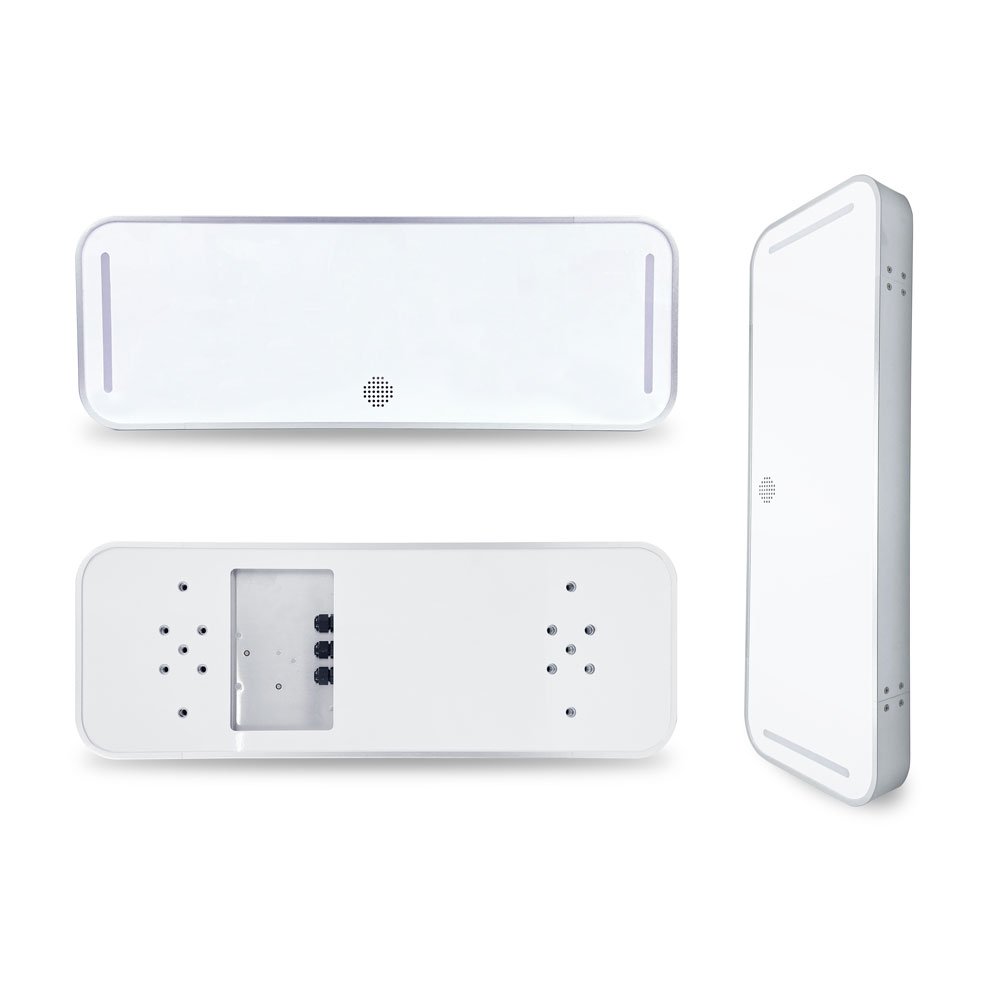
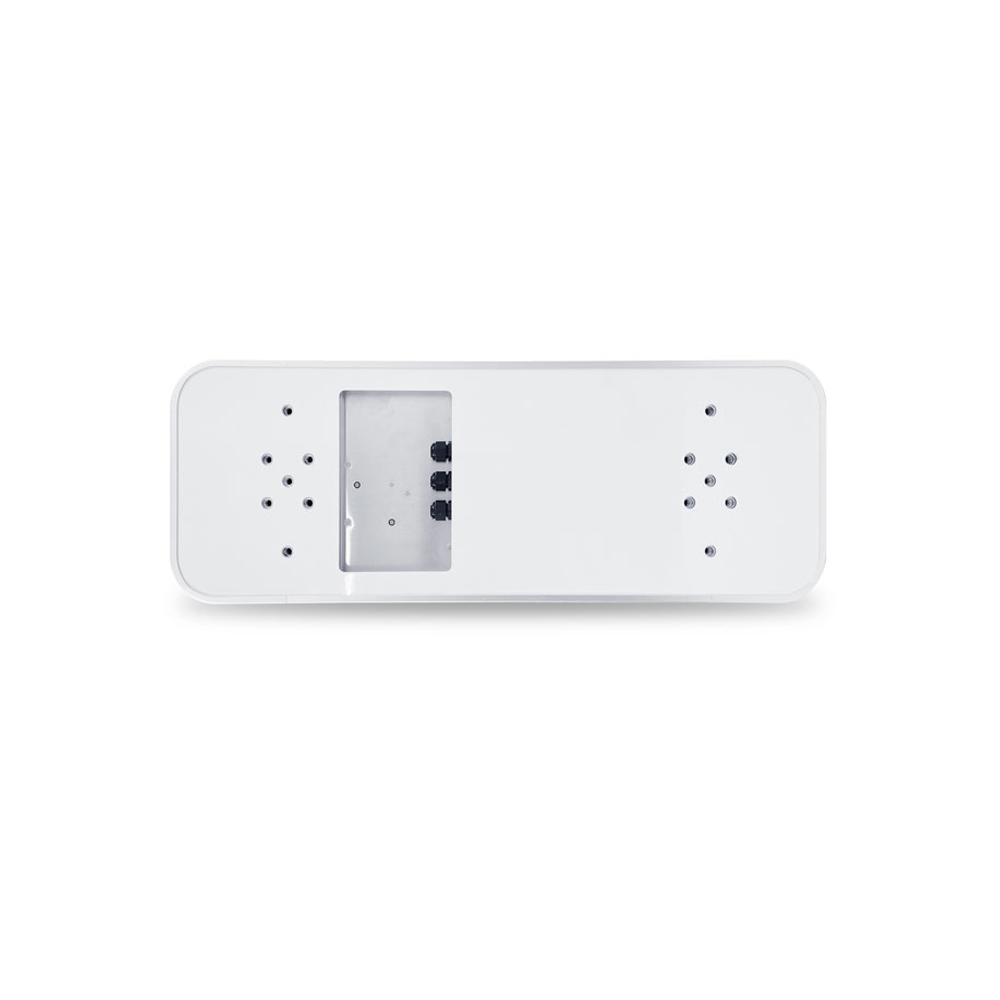
The unit and its mounts
Technical Specification
| Model | LFM-DZ001 |
| Protocol | EPC C1 G2 (ISO18000-6C) |
| Output Power | 10 dBm - 33 dBm (adjustable) |
| Human Radar Detector | 24 GHz |
| Indicator Lights | Blue (standby), red (alarm), green (tag authorized) |
| Alarm | Built-in buzzer + alarm light |
| Operating Temperature | -25 C - 65 C |
| Storage Temperature | -45 C - 85 C |
| Humidity | 5-95% non-condensing |
| Dimensions | 575 x 200 x 45 mm |
| Net Weight | 1.35 kg |
| Gross Weight | 2.45 kg |
| Packaging Dimensions | 790 x 245 x 90 mm |
| Communication Interface | RJ45 (10/100/1000 Mbps Ethernet) |
| USB Ports | 1x USB 2.0 (Device/HOST), 2x USB 2.0 HOST, 1x USB 3.0 HOST |
| GPIO | 4 input channels + 8 output channels (up to 250 mA each) |
| Power Supply | 9-24 V (standard adapter 12 V/2 A) / PoE (802.3af or 802.3at) |
| Standby Power | 1.76 W |
| Working Power | 16.2 W |
| PoE Capability | 100 m Category 5e cable; 802.3at mode max load 25.1 W (11.93 V/2.1 A) |
| ESD Protection | Air discharge 8 kV; contact discharge 6 kV; surge immunity 4 kV |
| Supported OS | Android 11, Ubuntu 22.04/20.04, Debian 11/12, OpenHarmony 4.0 Beta1, Orange Pi OS (Arch), Orange Pi OS (OH) |
Mounting and commissioning
Three mounting options cover most sites: hang from the ceiling with threaded rod, attach to a wall bracket, or hook onto a tube. Remove the end covers, fix the bracket, replace the covers; the housing is designed so the fixings disappear. ESD protection is 8 kV air discharge and 6 kV contact discharge, with 4 kV surge immunity, which matters in a ceiling void shared with lighting circuits.
Overhead UHF RFID Antenna (LFM-DZ001) is supplied with the mounting hardware and a 12 V/2 A adapter; PoE switches and middleware are specified with the project.
For the rest of the RFID chain, see the RFID anti-theft systems and RFID hardware ranges: antennas, readers, tags and the software layer that stores the reads. Our Dongguan factory builds and tests each unit before packing, including a PoE negotiation test.
Buyer Questions
Why mount the reader overhead instead of at waist height?
Because waist-height readers are blocked by exactly what fills a shop floor: trolleys, baskets, customers and handbags. Mounting the antenna at 2.2-2.8 m above the aisle puts the beam over those obstructions, so a tag on a shelf or a carton is read as it passes underneath.
Does it read continuously, or only when someone is there?
The 24 GHz radar wakes the reader when a person enters the read zone. That cuts standby draw to 1.76 W and stops the reader from logging the same empty aisle all day. Working power is 16.2 W.
Can it run on PoE?
Yes. 802.3af or 802.3at, on a 100 m Category 5e run; in 802.3at mode the maximum load is 25.1 W. A 12 V/2 A adapter is supplied for sites without a PoE switch.
What do the three light colours mean?
Blue for standby, red for alarm, green for an authorized tag. The buzzer and light are built in, so a 'tag not authorized' event can be signalled at the antenna rather than only in software.
Which operating systems can host it?
Android 11, Ubuntu 22.04/20.04, Debian 11/12, OpenHarmony 4.0 Beta1 and Orange Pi OS builds. It is a reader and antenna in one unit, so it needs a host or a network service to store the reads.
Send the ceiling height and the tag type
The reply covers read-zone planning, mounting option, PoE load and price per unit.
Related Category
EAS System
Swing Barrier Turnstile
EAS Tags
EAS Detacher
EAS Deactivator
EAS Labels
RFID Anti -Theft Systems
RFID Hardware
EAS AM/RF Hard Tag
Send Inquiry
Please feel free to give your inquiry in the form below. We will reply you in 24 hours.