- English
- Español
- Português
- русский
- Français
- 日本語
- Deutsch
- tiếng Việt
- Italiano
- Nederlands
- ภาษาไทย
- Polski
- 한국어
- Svenska
- magyar
- Malay
- বাংলা ভাষার
- Dansk
- Suomi
- हिन्दी
- Pilipino
- Türkçe
- Gaeilge
- العربية
- Indonesia
- Norsk
- تمل
- český
- ελληνικά
- український
- Javanese
- فارسی
- தமிழ்
- తెలుగు
- नेपाली
- Burmese
- български
- ລາວ
- Latine
- Қазақша
- Euskal
- Azərbaycan
- Slovenský jazyk
- Македонски
- Lietuvos
- Eesti Keel
- Română
- Slovenski
- मराठी
- Srpski језик

29% of Consumers Cut Shopping at Stores That Lock Goods in Safes: The "Double-Edged Sword" of Loss Prevention
29% of American consumers stated that they have stopped or reduced their shopping at stores that lock their goods in safes.
Loss prevention measures are driving customers away. This is not just theory, but data.
This Coresight report breaks down three types of loss prevention technologies: EAS/RFID, AI video analysis, and self-checkout innovations. The core point of the report is straightforward - retailers need to find a balance between "reducing losses" and "maintaining the shopping experience".
The traditional approach is "locking". High-value goods are locked in glass cabinets, and customers can ask the staff if they want to see them. The security effect is there, but the customer experience is gone. 29% of consumers choose not to go to these stores, indicating that the cost is significant.
New approaches are emerging. EAS/RFID technology is used for product identification and real-time tracking, AI video analysis can identify suspicious behavior patterns, and self-checkout loss prevention solutions use edge AI to identify and correct errors at the checkout counter.
The commonality of these technologies is that they can prevent theft without locking the cabinets.
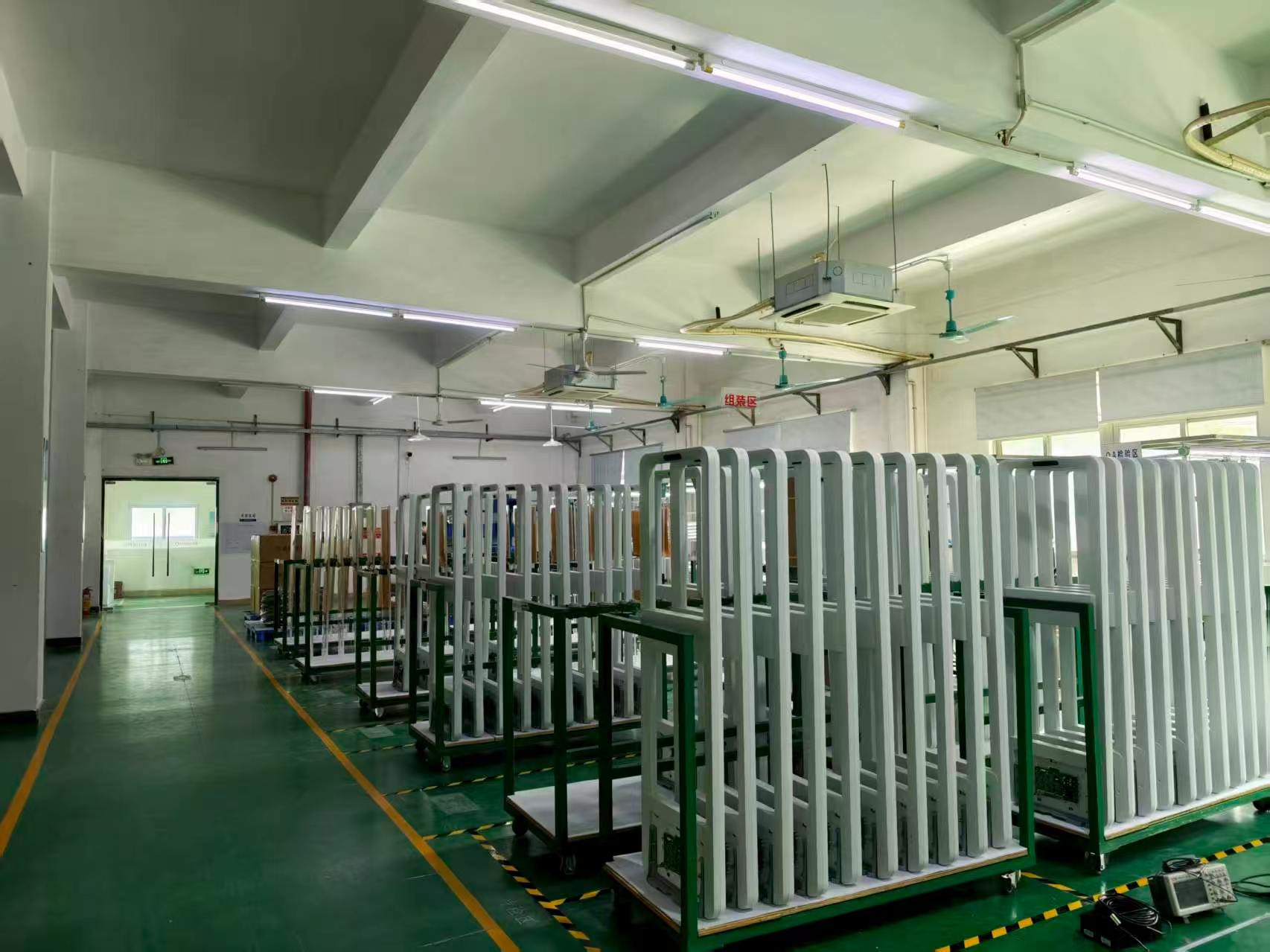
What we produced is AM antennas, AM100 main boards, soft labels and tags, all antennas can be built-in CCTV modules.
When retailers use AI to identify suspicious behavior, they need hardware to respond - closing the door, triggering an alarm, and recording video. When retailers use RFID to track inventory, they need antennas to read the tags. EMOEN provides exactly these basic hardware.
Coresight's report also mentions that shelf monitoring solutions use computer vision and robots to track inventory in real time, and customers report 60% fewer shortages and 90% fewer pricing errors.
Loss prevention technology is shifting from "locking goods" to "understanding goods". This is the direction.
EMENO Website: www.emenotec.com | www.lifmei-eas.com
Lifangmei Website: www.lifangmei.com